Juneteenth, Fatherhood, and the Ongoing Pursuit of Freedom
This weekend, we commemorate both Juneteenth and Father's Day; two observances that, when considered together, tell a deeper story about freedom, family, and the unfinished work of justice in America.
Juneteenth marks June 19, 1865, the day enslaved people in Galveston, Texas were informed that they were free — more than two years after President Abraham Lincoln issued the Emancipation Proclamation. Today, Juneteenth is celebrated as Freedom Day, honoring the principle that freedom is not real until it reaches everyone.
Yet the history is more complicated than a single date.
Throughout the South, there were multiple "emancipation days" as news of freedom spread unevenly. In many places, enslavers delayed informing people that slavery had ended because doing so served their own economic interests. Freedom existed on paper long before it existed in practice.
Unfortunately, the end of slavery did not end systems of racial control and exploitation.
As the nation transitioned from slavery into the Jim Crow era, new legal systems emerged that disproportionately targeted Black communities. Through Black Codes, convict leasing, and chain gangs, thousands of Black people, particularly Black men, were arrested, incarcerated, and forced into labor. They worked in fields, mines, railroads, and other dangerous conditions under systems that many historians have described as slavery by another name.
That is one reason why Father's Day and Juneteenth intersect in such a powerful way.
Both remind us that freedom is not simply the absence of chains or legal bondage. Freedom is the is the opportunity to raise your children, support your community, and participate fully in society. It is the recognition of one's humanity and capacity for growth.
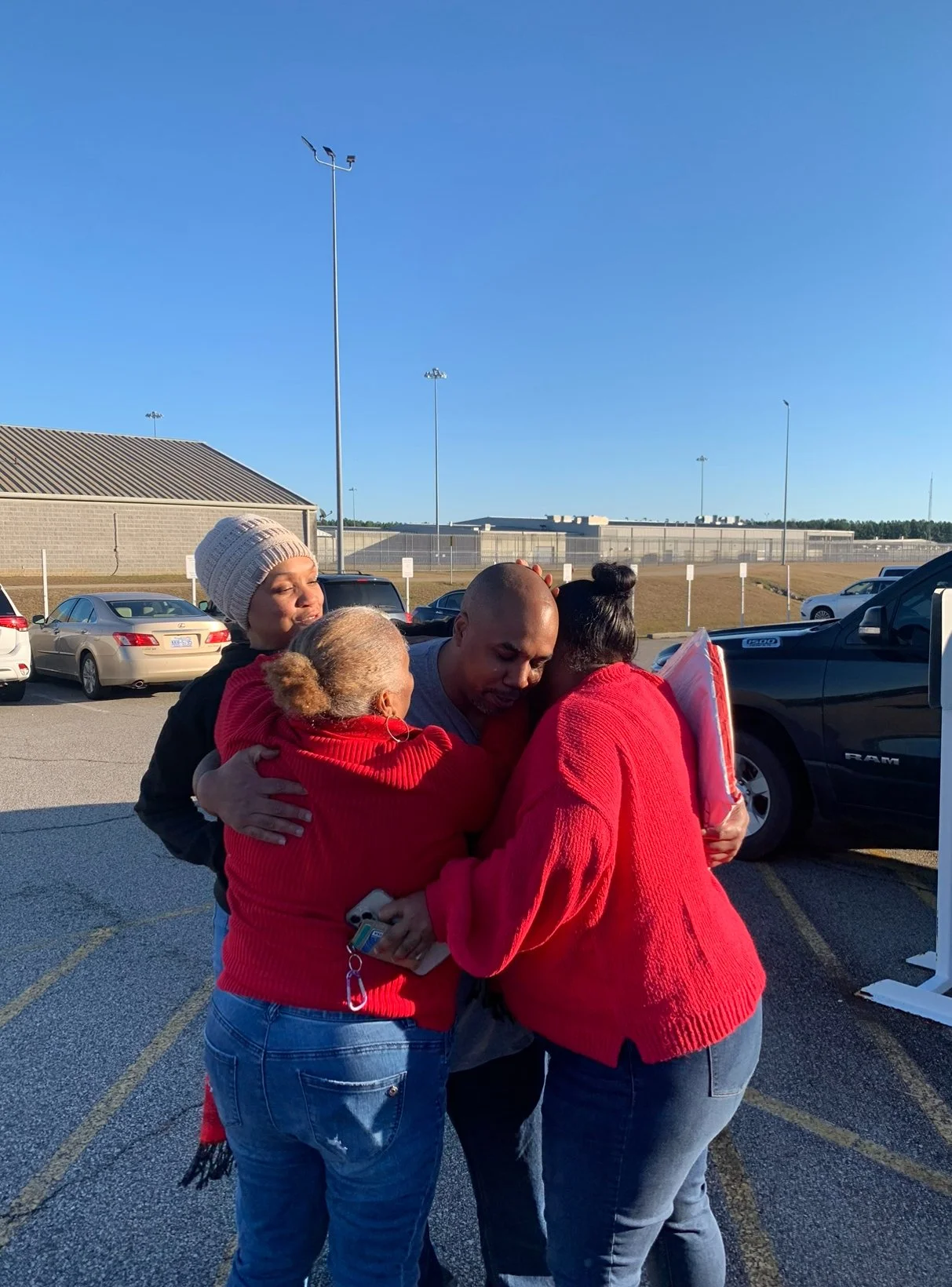
At The Second Look Project, we work every day to advance that vision of freedom. We represent individuals serving extreme sentences for offenses committed as young people, advocate for policies that create meaningful pathways to release, and support people as they return home and rebuild their lives.
“Nobody’s is free until everybody’s free”